Women in agriculture: what our programme provides
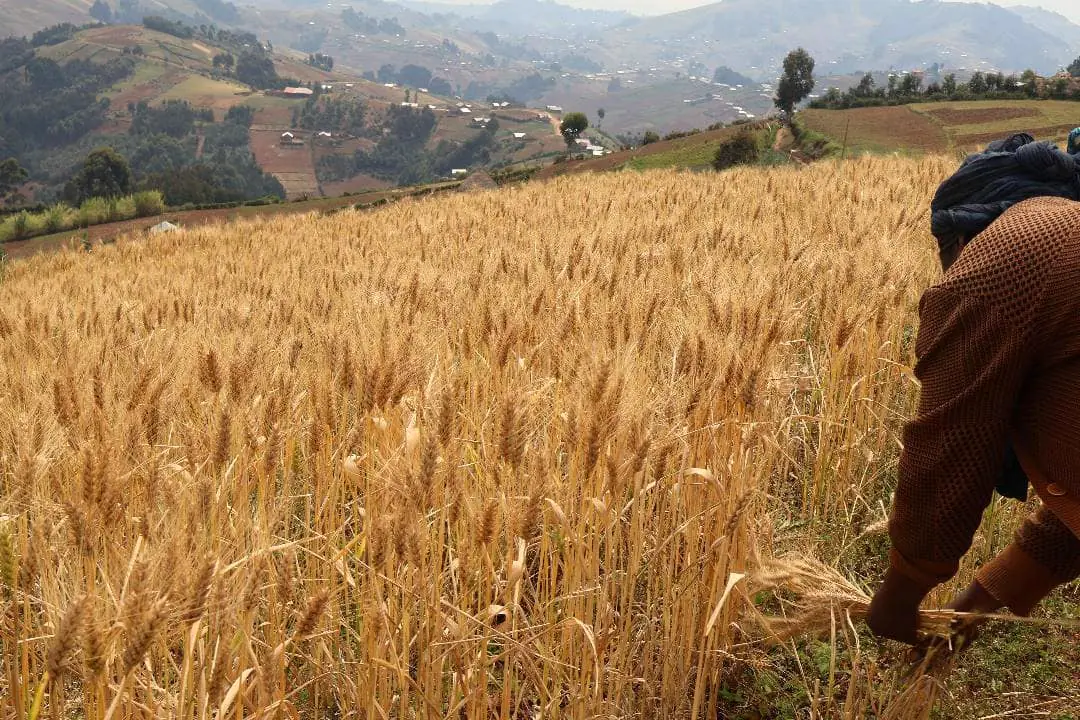
127 women farmers, 60% of purchasing volume reserved: the concrete commitments of our programme.
Read the article : Women in agriculture: what our programme provides
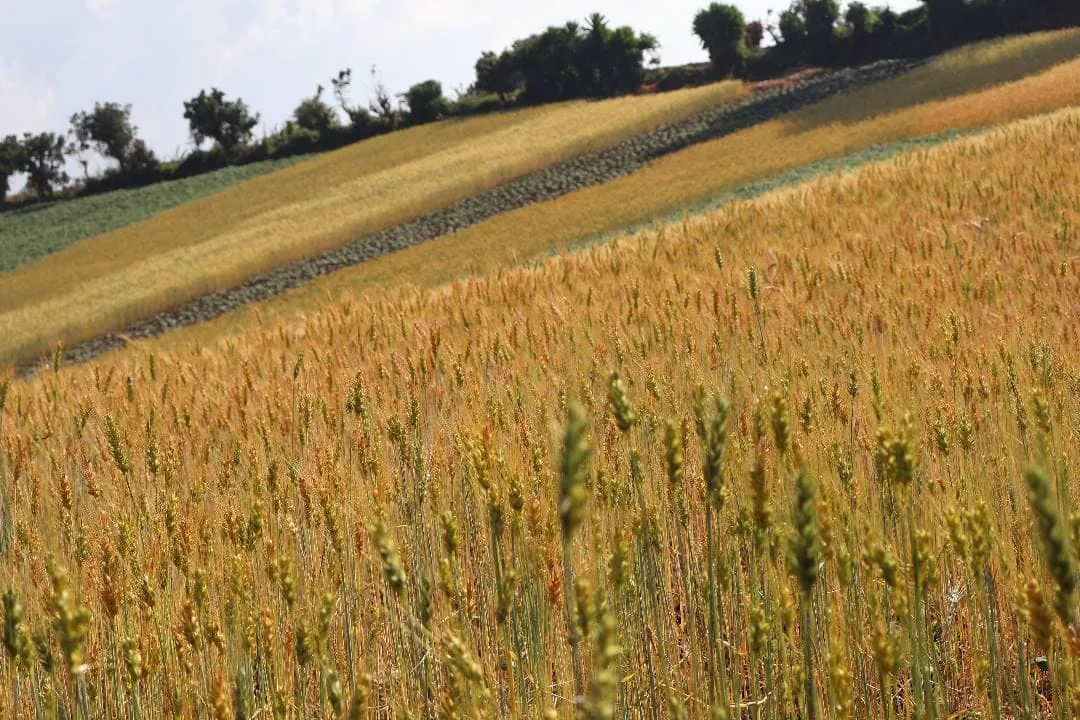
Drought-resistant, needing few inputs and in high demand: sesame ticks boxes that few crops tick all at once.
Sesame is one of the oldest oilseed plants cultivated by humans. Yet in our provinces it often remains a secondary crop, sold in small quantities at the market, unsorted and unpacked. It is precisely this gap that made us want to create Variété Sud.
Sesame withstands dry spells that maize or beans tolerate poorly. Its deep roots let it draw water from deep in the soil, and it needs little fertiliser. In a well-planned rotation, it also breaks the cycle of certain pests.
A seed that keeps, travels well and sells at a good price: for a farming family, it is a form of savings.
Demand for sesame is rising everywhere: bakery, oil, tahini-style pastes, confectionery. But buyers want a clean, dry, traceable seed. That is where the value lies: in sorting, cleaning, grading and packaging.
Our bet is simple: if the supply chain is organised, sesame can become a stable source of income for hundreds of families in North Kivu and Haut-Uélé.
127 women farmers, 60% of purchasing volume reserved: the concrete commitments of our programme.
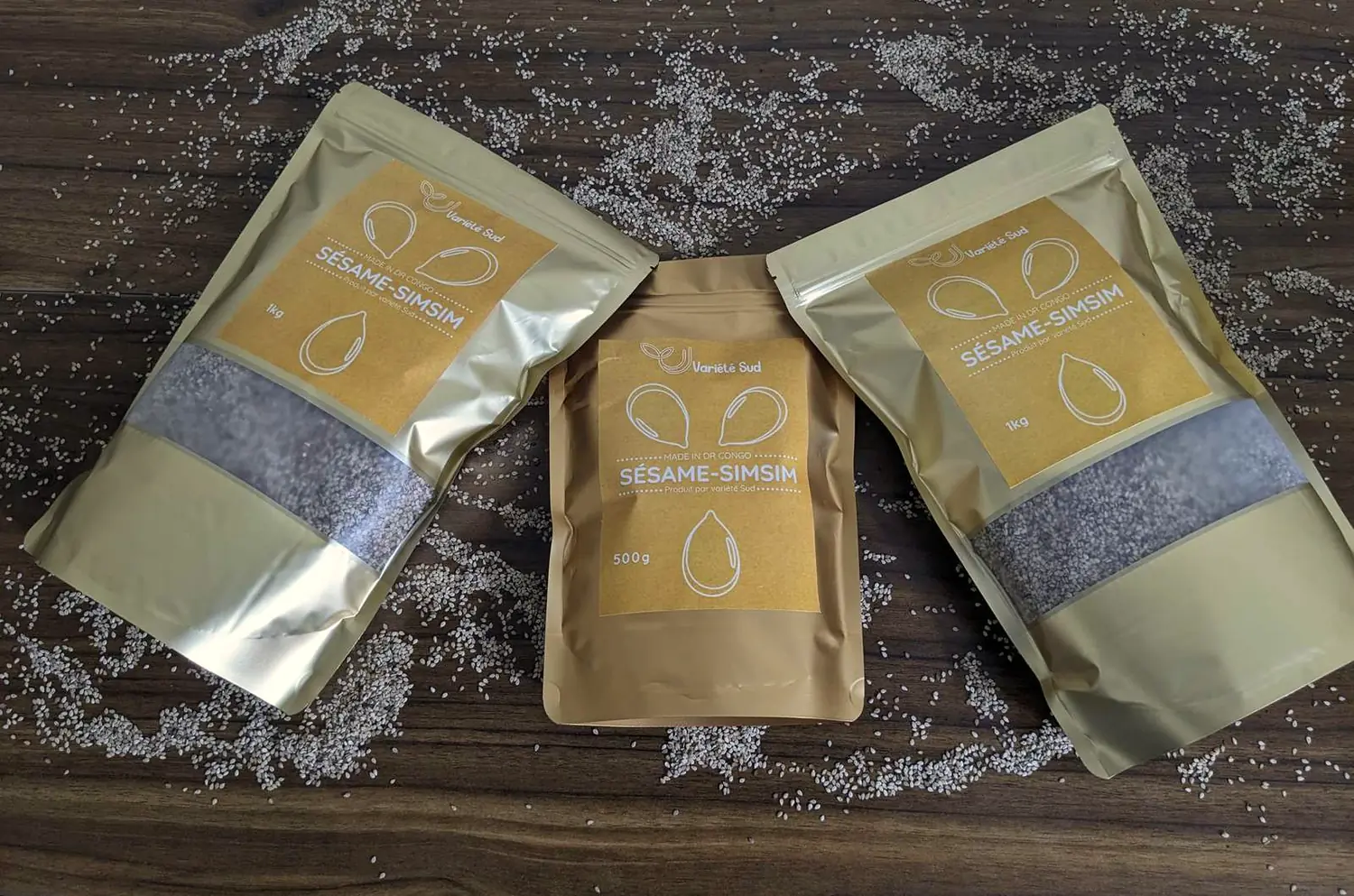
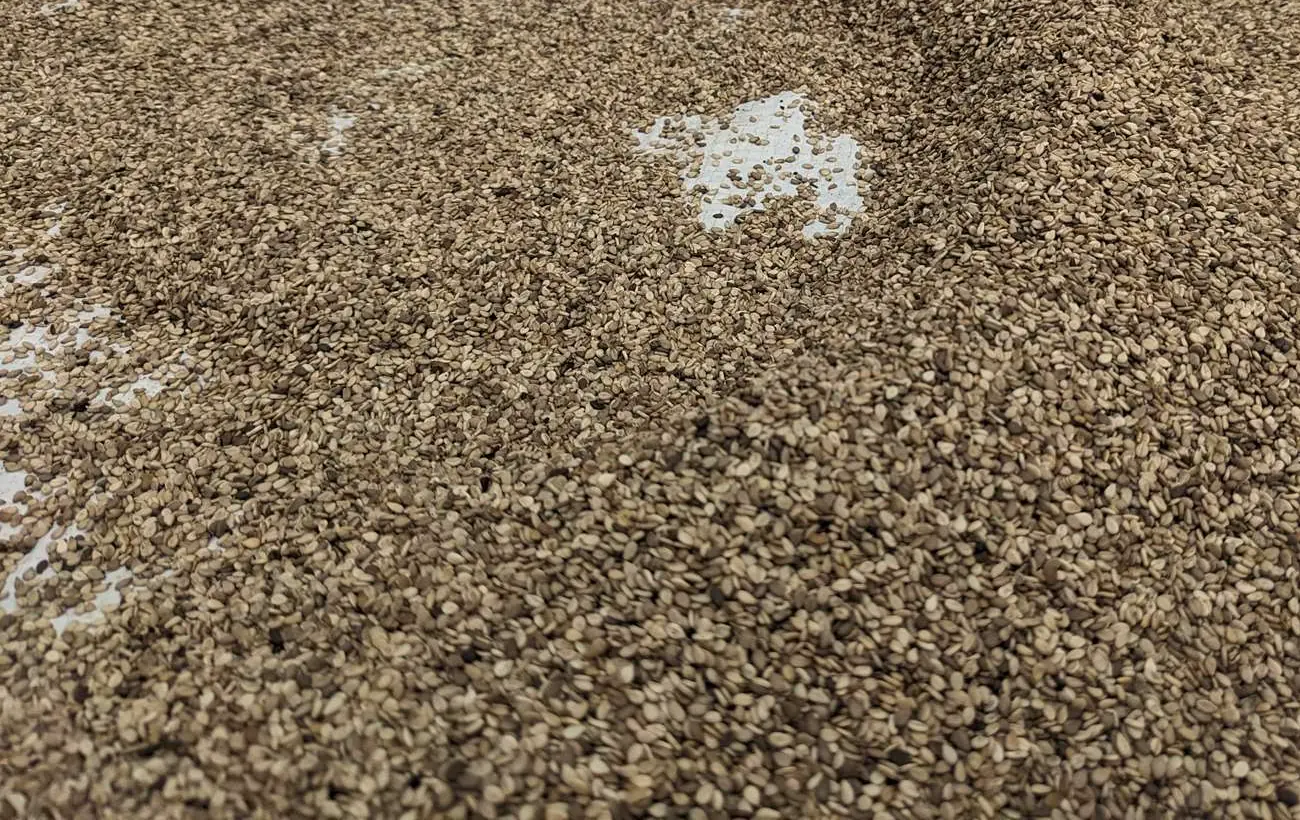
Read the article : Women in agriculture: what our programme providesCollection, sorting, cleaning, grading, packing: what happens before sesame reaches your kitchen.
Read the article : From field to pouch: the journey of a seedWhy we chose to restore the value of an oilseed crop that has been under-used for too long.
Read the article : Sesame, simsim: a small seed, a supply chain to rebuild